Conventional Open Surgery
Clinical | Outreach | Research | Education
Geography Should Not
Decide Who Is Treated.
AIR Alliance advances equitable access to interventional radiology through high-quality clinical care, sustainable partnerships, locally relevant knowledge, education and training of the health workforce, beginning in West Africa.
Illustrative Concept Film
Skills Shared. Capacity Strengthened.
We focus on building local capacity and strengthening stakeholder partnerships while providing clinical support for much-needed IR procedures.
The Access Problem · 01
Image-Guided Treatment Remains Out of Reach for Many.
Minimally invasive, image-guided treatment can change the course of a patient’s illness. Access to it still depends heavily on where a patient happens to live, and on whether local services, trained clinicians and referral pathways exist.
Our Vision
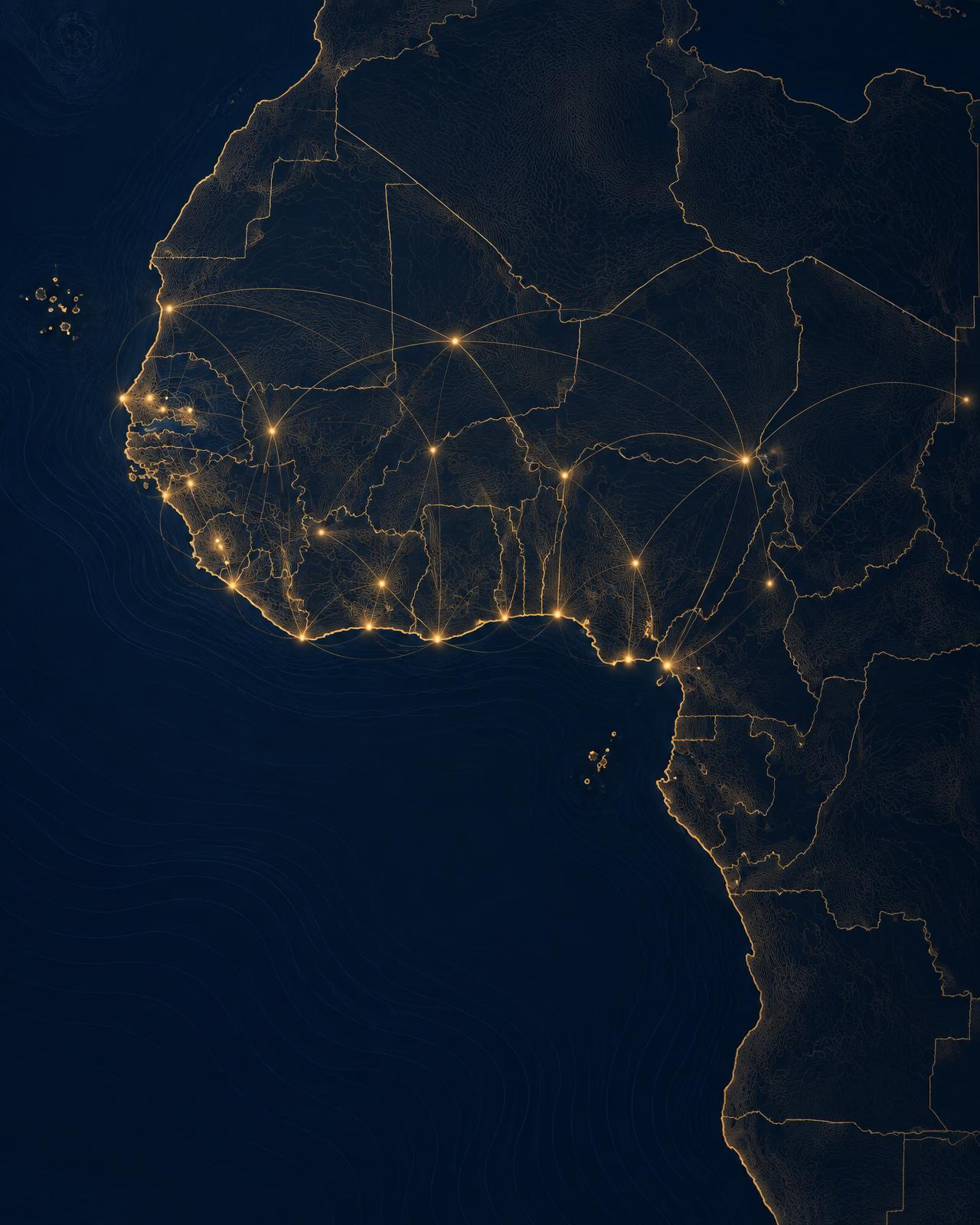
A future in which geography does not determine whether a patient can benefit from minimally invasive, image-guided treatment, beginning with strengthening IR capacity in Nigeria and ultimately expanding sustainable, locally led access across West Africa and beyond.
01
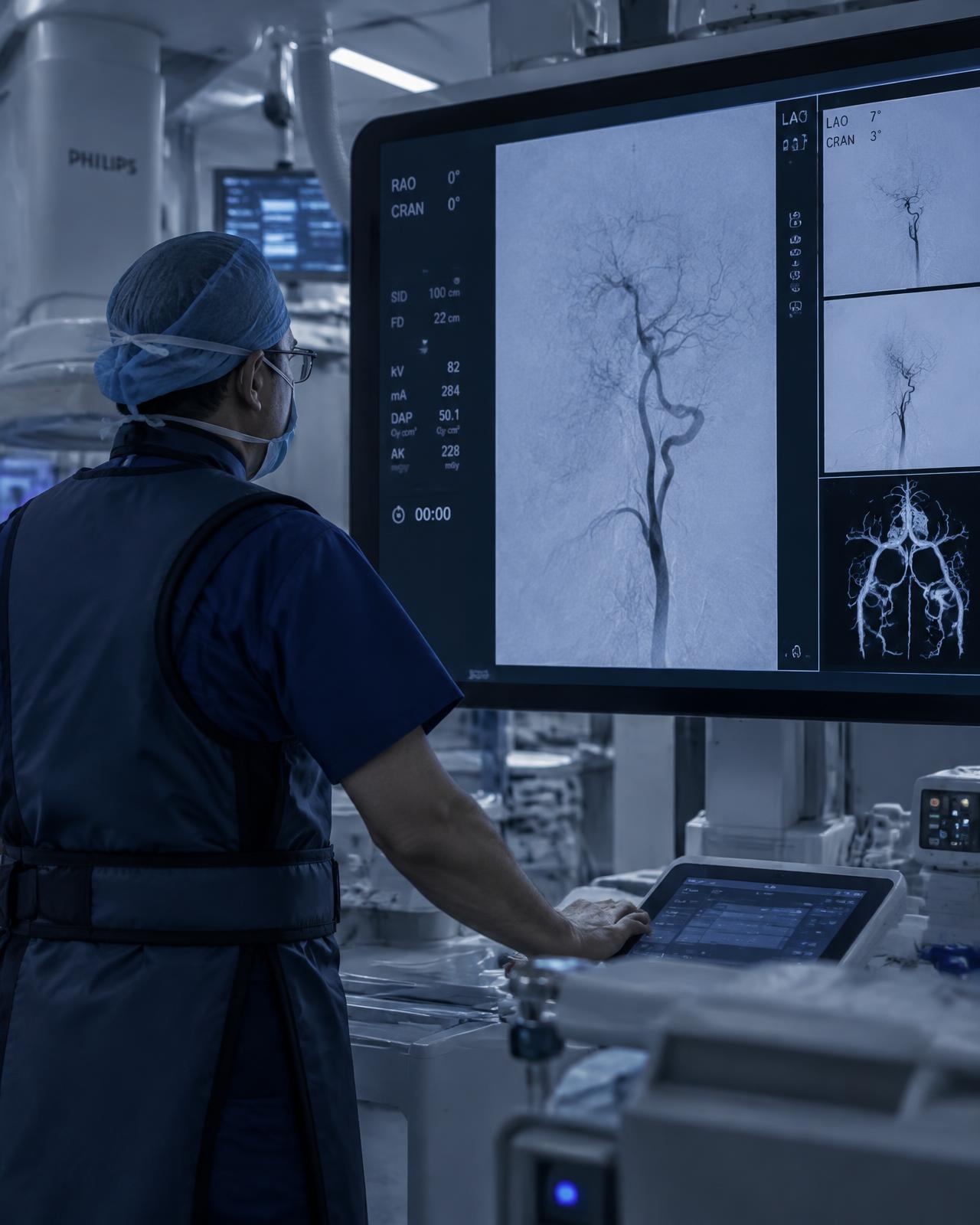
Image-Guided Care

02
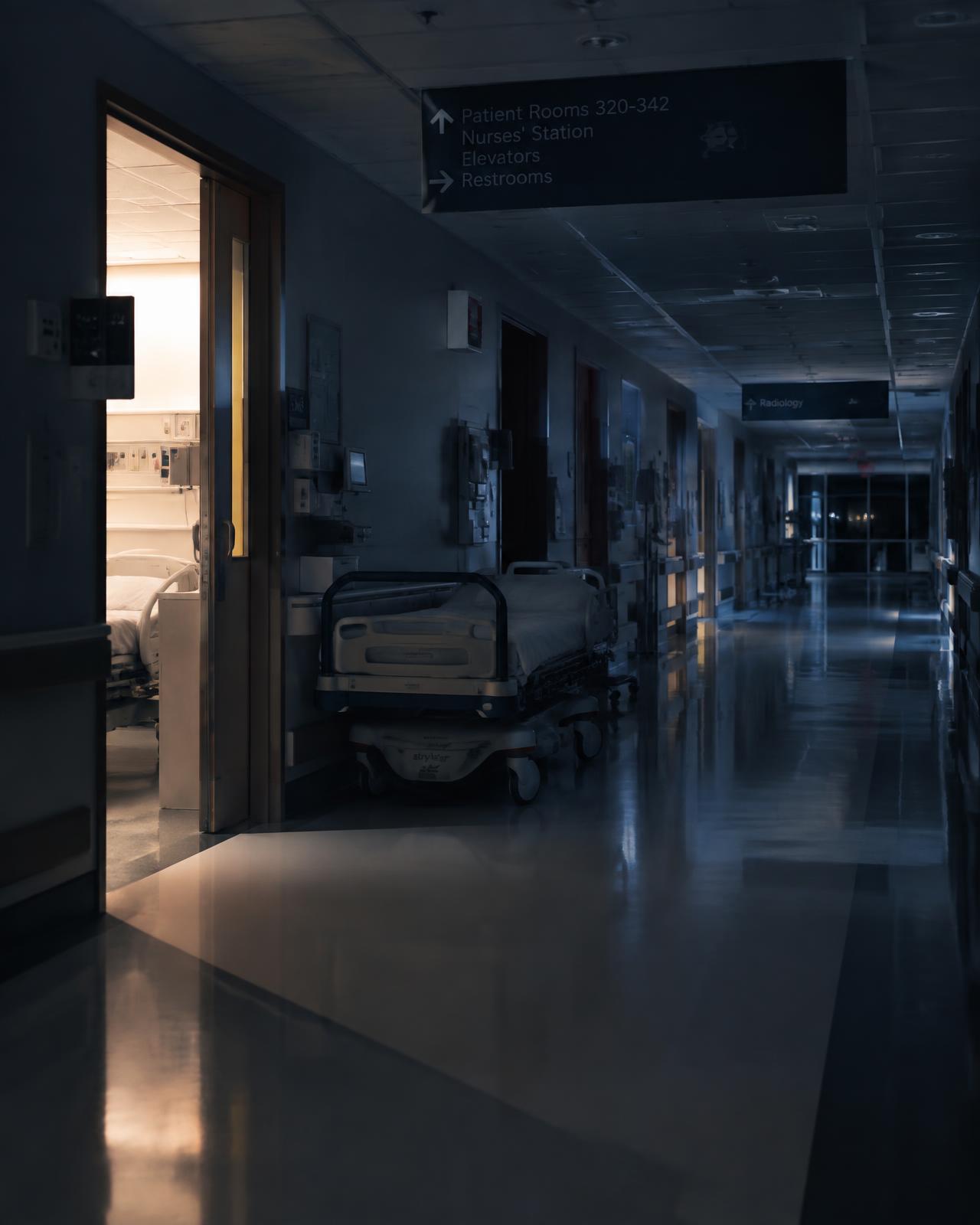
Access Depends on Where You Are
03
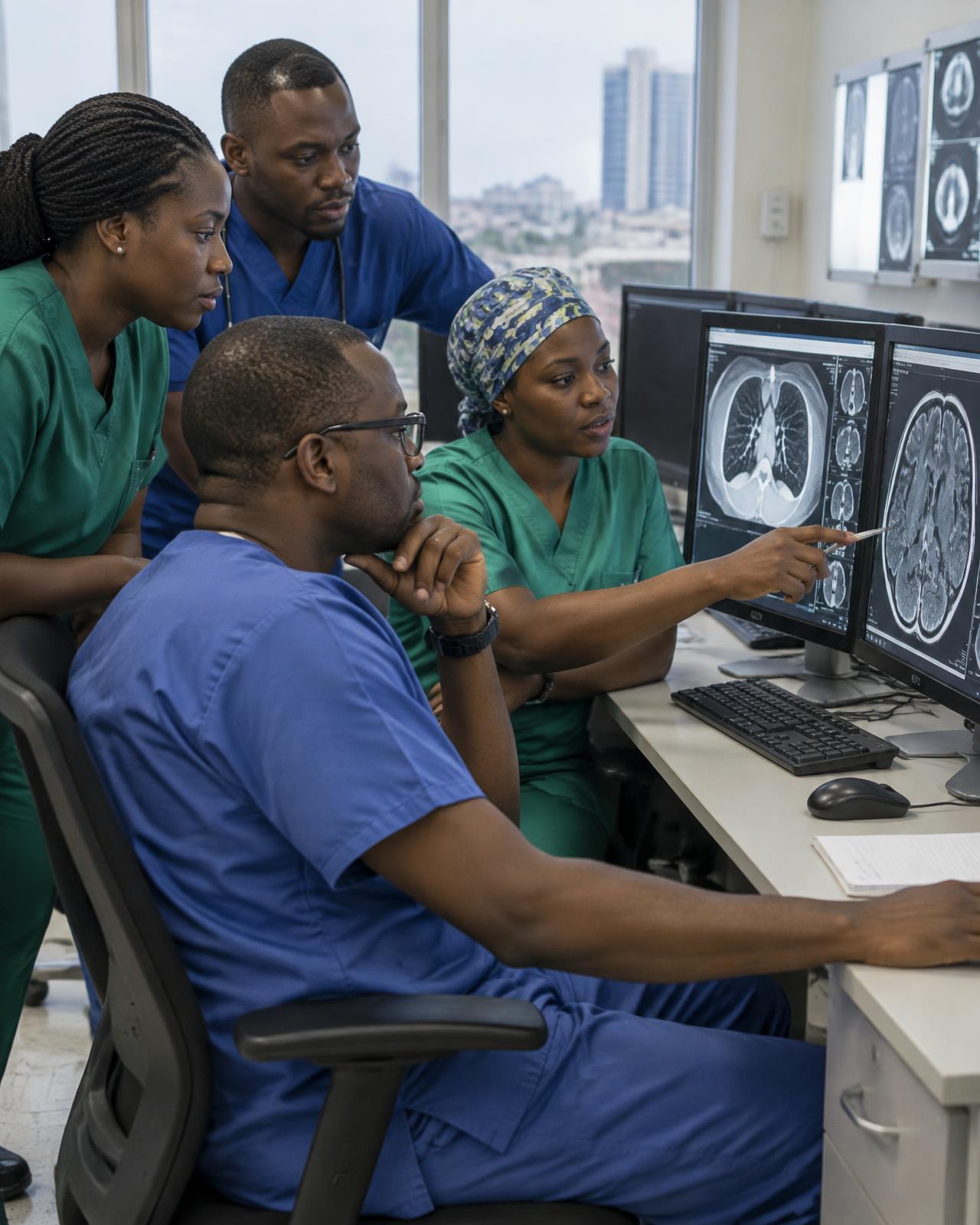
Capacity. People. Pathways.
04
Building Capacity in Nigeria
05
Locally Led. Regionally Connected.
01 / 05
Why It Matters · 02
Two Ways to Treat the Same Problem.
See the stark difference between conventional open surgery and minimally-invasive alternatives.
CHOOSE A CLINICAL SITUATION Choose a clinical situation, then compare conventional open surgery with the image-guided alternative across incision, anaesthesia, hospital stay and physiological burden.
Symptomatic uterine fibroids causing heavy bleeding, pain or pressure.
Compare Approach
Minimally Invasive, Image-Guided
Uterine Fibroid Embolisation
Currently Shown
- Incision and Access
Open Surgery
Abdominal incision, typically 10–20 cm, with layered closure and a visible scar.
Image-Guided Treatment
Pinhole puncture at the wrist or groin, a few millimetres wide, closed without stitches.
- Anaesthesia
Open Surgery
General anaesthesia with airway management and an anaesthetic team for the full procedure.
Image-Guided Treatment
Local anaesthesia at the puncture site with conscious sedation and pain control.
- Hospital Stay and Recovery
Open Surgery
Several days as an inpatient, with weeks before a return to usual activity.
Image-Guided Treatment
Same-day or overnight observation in most cases, with a shorter return to usual activity.
- Physiological Burden
Open Surgery
Greater blood loss, more wound-related risk and a larger surgical stress response.
Image-Guided Treatment
Targeted treatment through the blood vessels, with the uterus preserved and less blood loss.
Both approaches are legitimate clinical options. Suitability depends on the patient, the imaging findings and the clinical team. This comparison is general clinical information, not medical advice, and not a record of AIR Alliance activity.
A Patient's Day · 03
The Same Problem, Two Very Different Days.
Compare the end-to-end journey for surgical procedures and minimally invasive image-guided treatments through arrival, access, treatment, closure and going home.
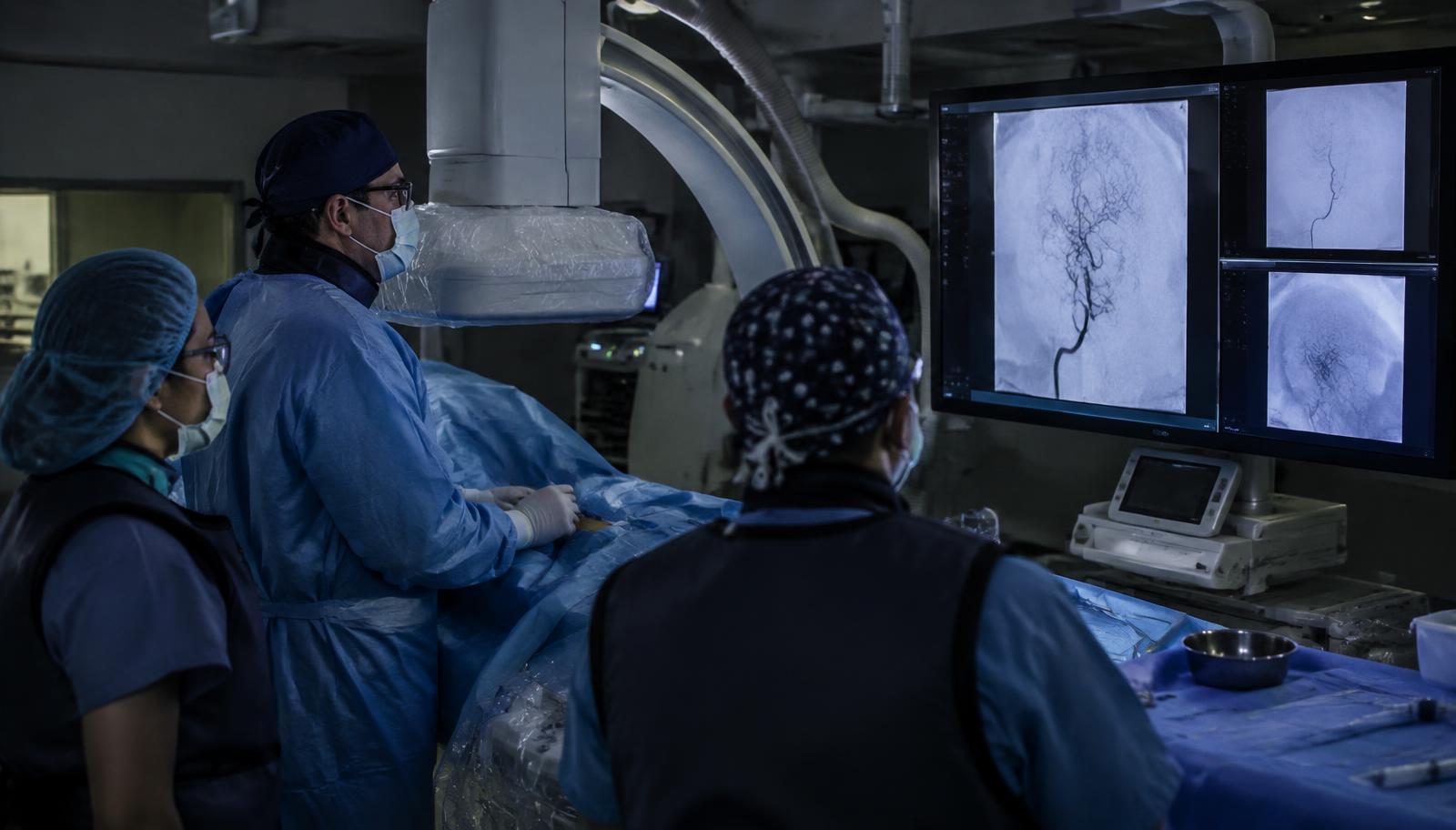
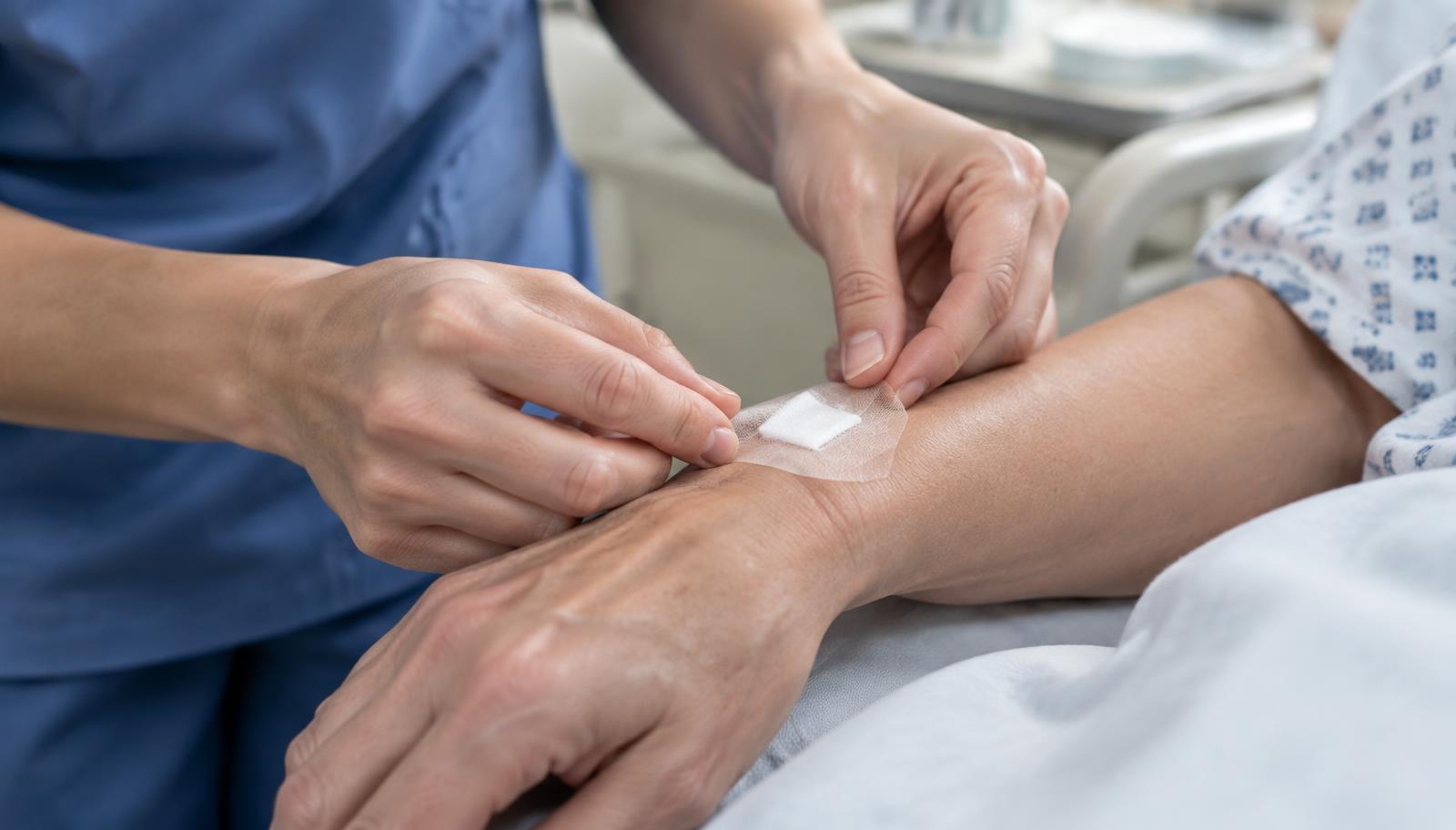
A Day in the Angiography Suite
Follow the same clinical problem through two routes, one open surgery and the other image-guided, from arrival to going home. This is general clinical information, not a record of a specific patient or of AIR Alliance activity. Images are illustrative.
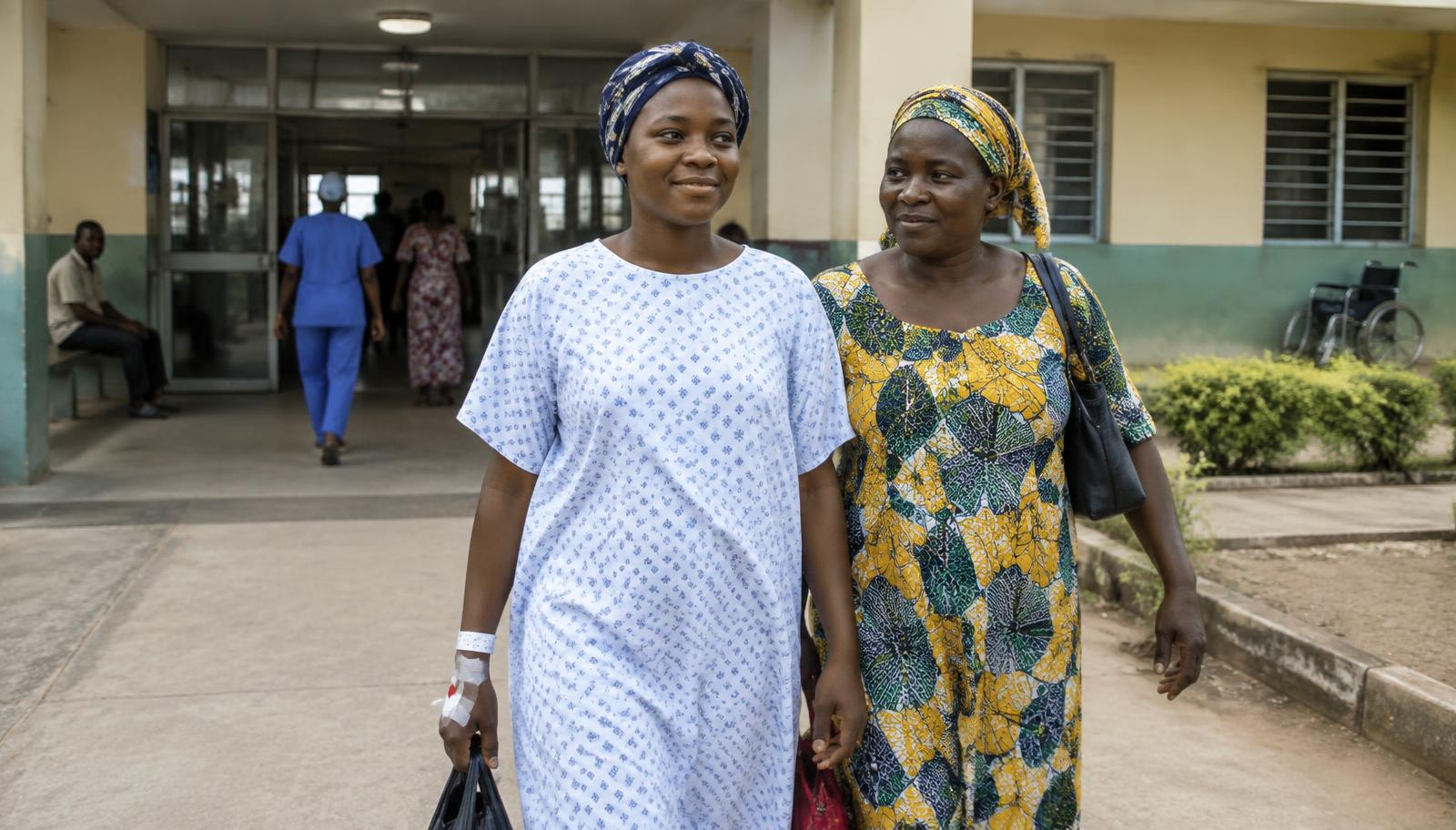
 Illustrative photograph of a prepared hospital bed on a quiet ward in the morning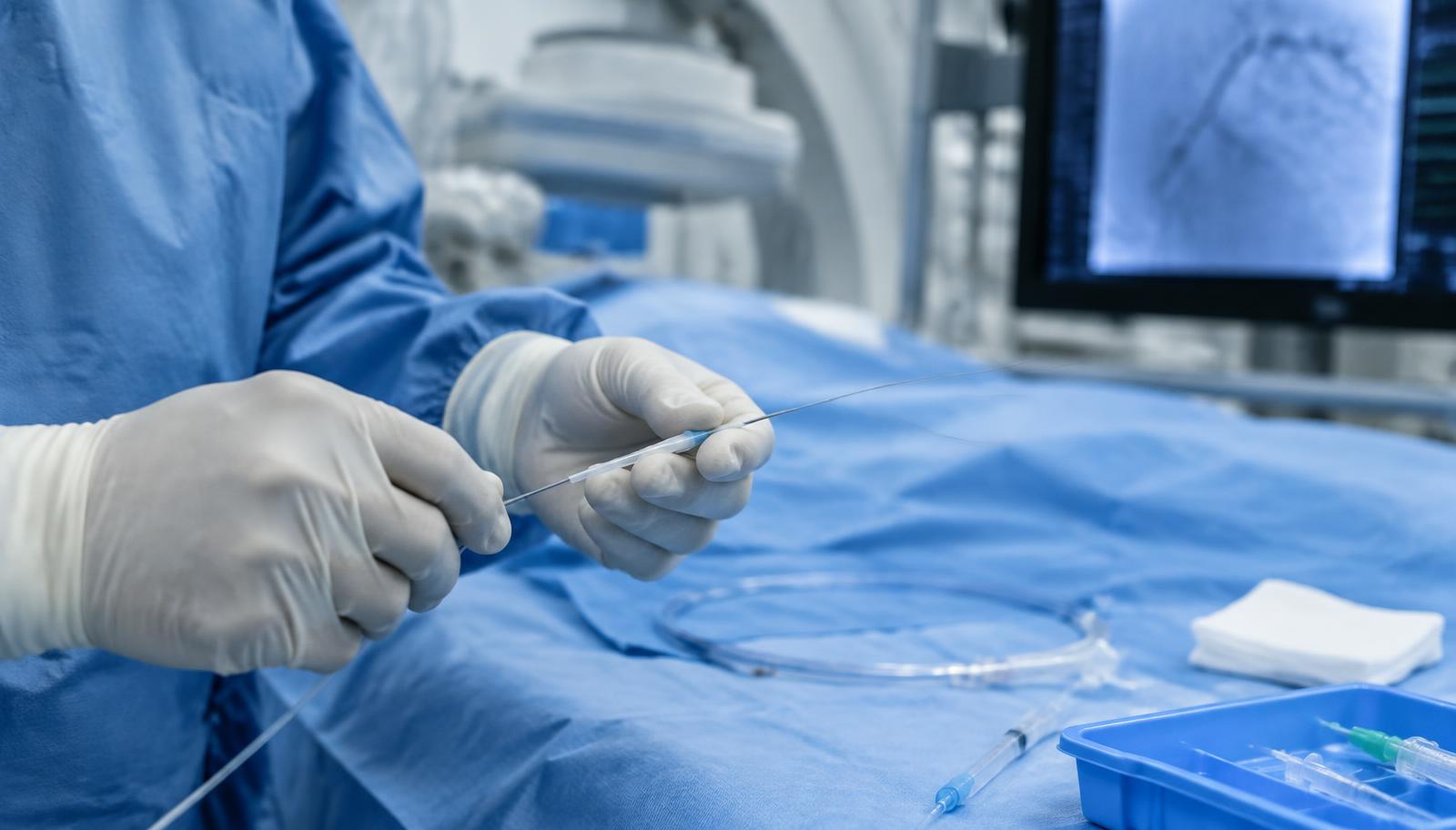
01 / 05
The Physical Footprint, to Scale
Move the control to compare the width of a typical open incision with the width of the puncture used for image-guided access. Both bars are drawn on the same scale.
Open Incision
Approximately 10–20 cm, closed with sutures
Image-Guided Puncture
Approximately 2–3 mm, closed with an adhesive dressing
Sizes are typical ranges given for comparison. The right approach for any patient is decided by their clinical team.
The Network · 04
Lagos. Abuja. Owerri. Borno. More Coming.
Four active hubs, with local time, clinical focus and what each offers depending on why you are here.
Active Hub Network
Four hubs are active: Lagos, Abuja, Owerri and Borno. Further locations are in preparation and are named here only once they are active.
--:-- WAT · Lagos
Choose Your Perspective
What each hub offers a clinician or trainee joining a placement.
- Active hubs
Lagos · Fellow and Trainee
Paired procedural rotations with the highest case exposure in the network.
Procedural volume, paired operating lists and coordination of the wider network.
More Hubs Coming
These locations are under assessment. They are listed as intended expansion, not as places where the Alliance is already delivering care.
- Kano — In Preparation
- Port Harcourt — In Preparation
- Enugu — In Preparation
- Accra — In Preparation

A Living Alliance
Locally Defined Priorities. Shared Knowledge. Capacity That Remains.
The CORE Framework · 02
Four Connected Pillars, One Operating Model.
CORE is how AIR Alliance organises its work across clinical care, outreach, research and education.
Clinical
Safe care and durable clinical services.
Outreach
Partnerships shaped by locally defined priorities.
Research
Evidence grounded in West African practice.
Education
Expertise that clinicians and institutions sustain.
Impact · 05
Evidence, Published with Care.
These verified figures connect each activity to to-date statistics from the AIR Alliance team.
 Illustrative film of a teaching hospital campus and clinical corridor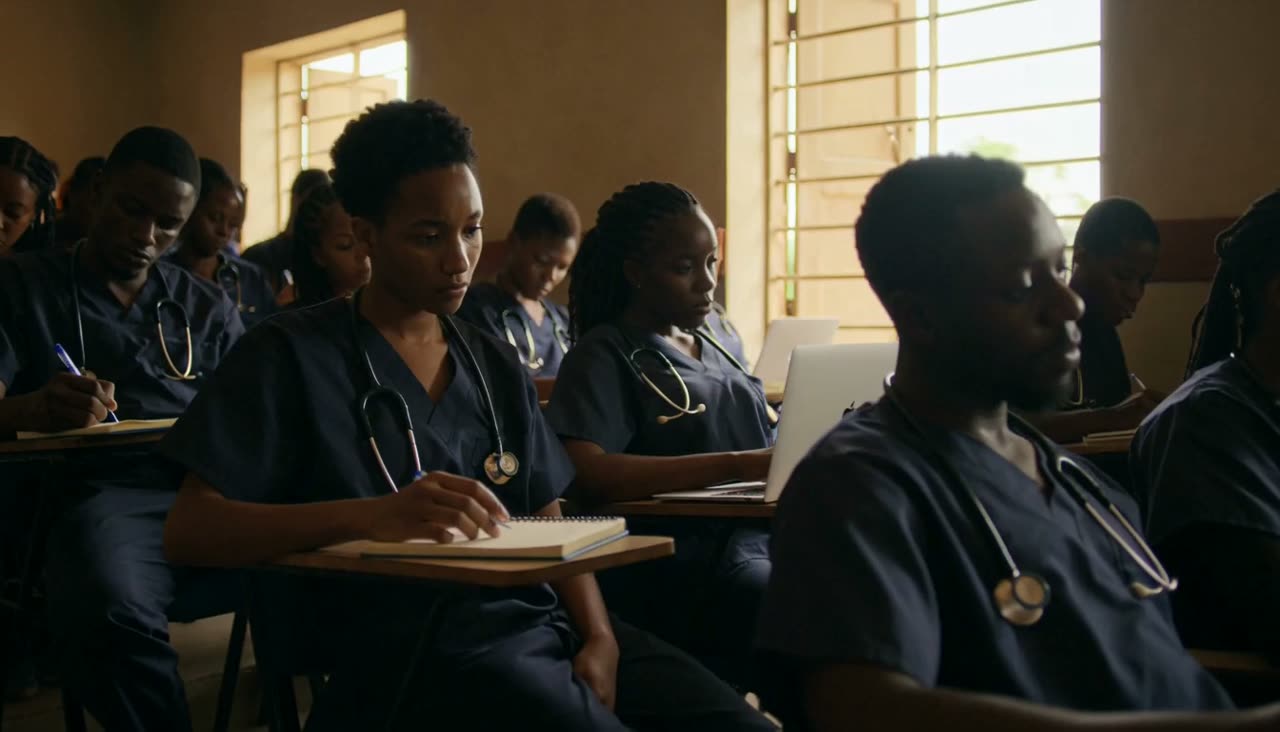

01 / 05
Giving supports the clinical access, training, partnerships and research behind this work.
Give to AIR AllianceProgrammes · 03
Current Programmes.
Each programme is administered end to end, from public application through review, approval and reporting.
Education
Education Grants and Stipends
Support for medical students and radiology residents seeking meaningful exposure to interventional radiology.
Read the ProgrammeClinical
Direct Clinical Care
Direct interventional radiology care at multiple institutions in Nigeria.
Read the ProgrammeEducation + Outreach
IR Training Programs and Initiatives
Teaching, mentorship, institutional partnerships and skills development.
Read the ProgrammeResearch
Research and Innovation Grants
Device innovation, health-systems research and public-health research focused on IR in West Africa.
Read the ProgrammeHow We Work · 04
From Locally Defined Need to Sustainable Access.
Work begins with needs defined locally and ends with capacity that remains in place.
- 01NeedA gap in image-guided care is identified by the clinicians living with it.
- 02PartnershipAn agreement is formed with institutions and clinicians that will lead the work.
- 03ActionCoordinated efforts begin towards scalable, long-term resolutions.
- 04Knowledge SharingResolution modules are shared among stakeholders for solution improvement.
- 05Capacity BuildingLocal operators are enlisted for ongoing execution and institutionalisation.
- 06Sustainable AccessThe service continues without outside intervention, and the cycle repeats.
Each stage hands over to the next. Step 6 returns to step 01 in a new location.
Voices of the Alliance · 05
In Their Own Words.
Short perspectives from clinicians, trainees and allied staff, each published with consent and a transcript.
Voices Are Published With Consent
Perspectives Appear Once They Are Recorded.
Short perspectives from clinicians, trainees, nurses and radiographers working in the region will appear here, each with the speaker's name, role and institution, a transcript, and their recorded consent. Nothing is written on anyone's behalf.
Get Involved · 06
Knowledge, Skills and Relationships Can Cross Borders.
Clinicians, trainees, institutions and partners can work with AIR Alliance through applications, collaboration and knowledge exchange.